UNDERSTAND YOUR SKIN · AUGUST 2026
How Does the Skin Really Work?
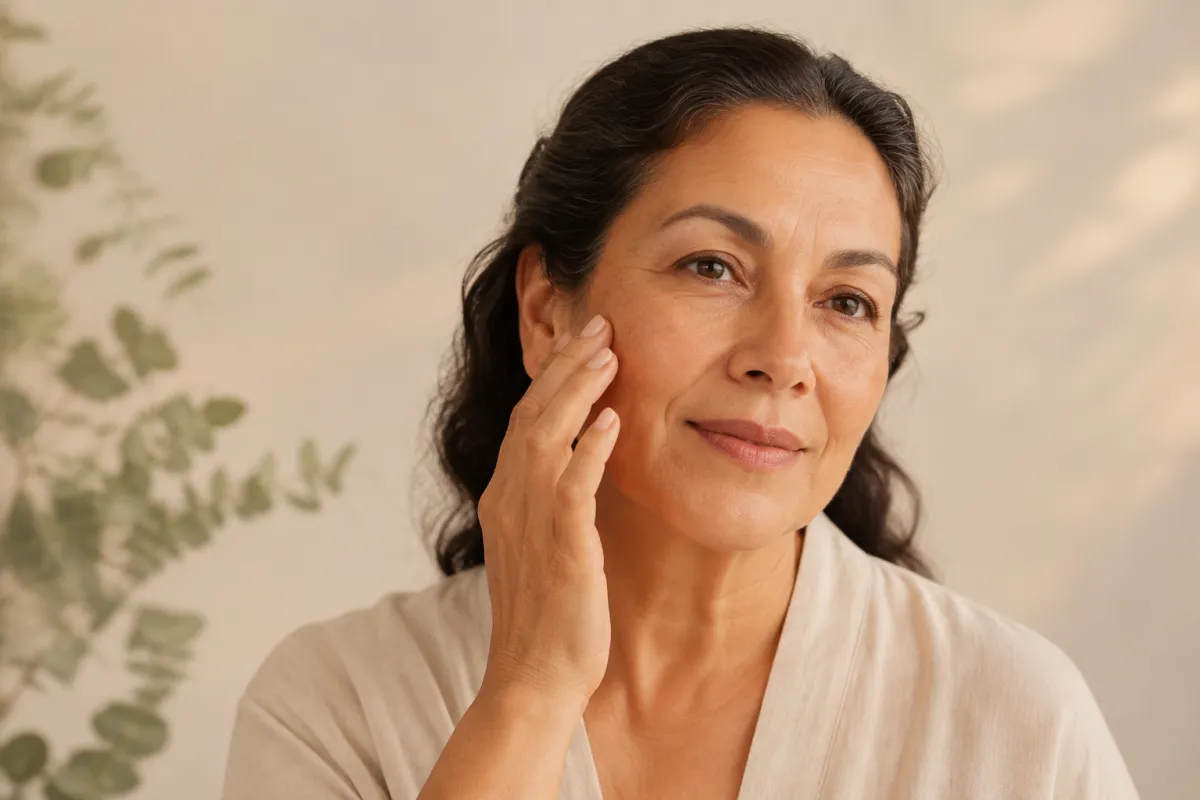
Skin is much more than the surface we see. It is a living, dynamic organ that protects us, regulates essential functions, allows us to feel, and constantly renews itself. Understanding how it is organized and how it works is the first step toward caring for it more mindfully.
Skin: Much More Than a Covering
Skin is not simply a layer that covers the body. It is the largest organ of the human body and acts as a protective barrier between us and the environment. Every day, it helps defend us from external factors, retain moisture, and maintain the balance needed for healthy-looking skin.
Why Is Skin Considered an Organ?
Skin is considered an organ because it is made up of different tissues and structures that work together to perform specific functions. It contains cells, blood vessels, nerve endings, glands, and hair follicles that allow it to protect us, perceive sensations, regulate body temperature, and support the body’s natural defenses.
How Is the Skin Organized?
The skin is organized into three main layers: the epidermis, dermis, and hypodermis. Each has distinct characteristics and functions, yet they work together to protect the body, provide structure, conserve temperature, and maintain the skin’s balance.
The Epidermis: Our First Protective Barrier
The epidermis is the outermost layer of the skin and our first line of defense against the environment. It helps prevent excessive water loss and protects us from external factors. It also contains cells that produce melanin, the pigment that contributes to skin color and helps protect it from ultraviolet radiation. Although the epidermis is constantly renewing itself, it needs gentle care that respects its natural barrier.
The Dermis: Support, Elasticity, and Nourishment
The dermis lies beneath the epidermis and provides the skin with support, strength, and elasticity. This layer contains collagen and elastin fibers, blood vessels, nerve endings, sweat and sebaceous glands, and hair follicles. Together, these structures help nourish the skin, regulate body temperature, and allow us to perceive sensations such as touch, heat, cold, and pain.
The Hypodermis: Protection and Insulation
The hypodermis is located beneath the skin. It is composed mainly of adipose and connective tissue, which help cushion impacts, conserve body heat, and protect internal structures. It also connects the skin to the tissues beneath it and serves as an energy reserve for the body.
The Essential Functions of the Skin
The skin performs many functions that are essential to our well-being. It acts as a protective barrier, helps regulate body temperature, allows us to perceive sensations, and participates in defense and renewal processes. All these functions work together to help maintain the body’s balance.
Protection: Our Barrier Against the Environment
The skin acts as a protective barrier against external factors such as microorganisms, pollution, irritating substances, and environmental changes. It also helps reduce excessive water loss, allowing the skin to retain moisture and maintain its natural balance. When this barrier is weakened, the skin may feel drier, more sensitive, or uncomfortable.
Regulation of Body Temperature
The skin helps maintain a stable body temperature. When we feel warm, it produces sweat and increases blood flow near the surface to help release heat. When it is cold, blood vessels constrict to help conserve heat. These mechanisms allow the body to adapt to changes in environmental temperature.
Sensation: The Skin Connects Us With Our Environment
The skin contains numerous nerve endings that allow us to perceive touch, pressure, heat, cold, and pain. This ability helps us interact with our environment and respond to situations that could cause harm. Sensitivity also allows us to experience pleasant sensations, such as a gentle touch or the softness of a texture.
Renewal: A Constant Process
The skin renews itself continuously through a process in which new cells form in the deeper layers of the epidermis. Over time, these cells move toward the surface and replace those that naturally shed. This process may slow with age, which is why gentle cleansing, adequate hydration, and daily protection help maintain healthy-looking skin.
Skin Throughout Life
Skin changes throughout the different stages of life. Over time, its renewal process may become slower, and the natural production of components that help maintain firmness, elasticity, and hydration may decrease. As a result, its needs also evolve. Observing these changes and adapting skincare with gentleness, consistency, and realistic expectations helps maintain a healthy and comfortable appearance.
Understanding Your Skin to Care for It Better
Understanding how the skin works helps us make more mindful decisions about its care. It is not about using many products or seeking immediate changes, but about choosing a simple routine suited to its needs and following it consistently. Caring for the skin also means listening to it, respecting its changes, and giving it the support it needs at every stage of life.
An Invitation to Care for Your Skin Mindfully
Your skin tells a story and changes with you. Learning to observe it, understand it, and care for it with respect is part of building a more mindful relationship with your well-being. At SimplyAnaCare, we believe skincare begins with knowledge, gentleness, and consistency.